
Nature Based Solutions

Working With Earth to Heal Our Climate
One of the best ways to protect our communities from climate change is by working with nature, not against it. Nature-based solutions focus on partnering with local ecosystems to protect, restore and manage the environment. By combining smart planning with the natural strengths of the earth, we can trap carbon, protect our coasts, lower wildfire risks and support local wildlife.
overview

common types of nature-based solutions
- Coastal & Wetlands Restoration: Planting marshes and underwater eelgrass to absorb big waves. This protects coastal towns from rising sea levels naturally without relying just on heavy concrete walls.
- Regenerative Farming: Using compost and plowing less to protect the dirt. This builds healthy soil that holds water better and stores carbon.
- Urban Greening: Planting local trees and expanding parks. This keeps neighborhoods cooler, stops rainwater flooding and cleans the air.
- Watershed & Forest Management: Giving rivers natural space to overflow safely so they don’t flood towns. It also means using controlled grazing or small fires to clear dry brush before a major wildfire can start.
Nature-based solutions in our own backyard: Marin County
the bothin marsh project
Located along Richardson Bay in Mill Valley, the Bothin Marsh Preserve and its walking path flood regularly from rising sea levels. Instead of building a concrete wall, a partnership led by One Tam is using nature-based solutions by restoring the natural tidal marsh and raising the path. By letting the marsh expand inward, this living shoreline will naturally block storm surges, protect local wildlife, and provide a sustainable buffer against future changes. This smart design ensures that the community can continue to enjoy this beautiful landscape while giving nature the space it needs to thrive.
the marin carbon project
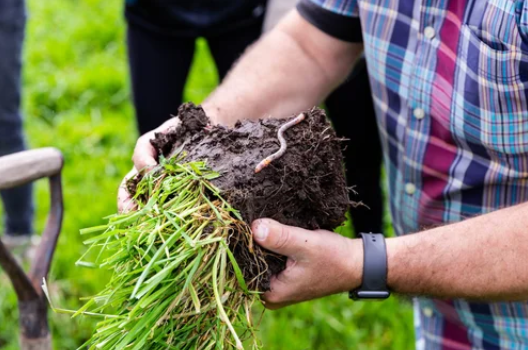
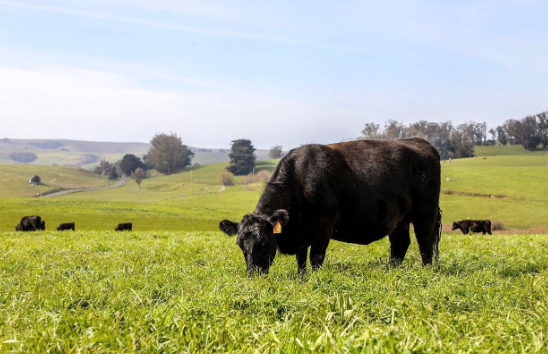
Instead of relying on industrial techniques that damage the health of the soil, The Marin Carbon Project works with local farms to enhance the soil’s natural capacity to store carbon. The carbon farming approach utilizes techniques like prescribed livestock grazing where animals leave behind natural fertilizer, along with no-till farming, organic compost, and riparian restoration. By drawing out excess carbon dioxide from the atmosphere and storing it into the soil, these nature based-solutions mitigate global warming but also increase biodiversity, water retention, and soil fertility for high-quality crops.
ready to dive deeper?
learn from our local partners:
- One Tam / Bothin Marsh: See the science and planning behind southern Marin’s shoreline protection.
- Marin Carbon Project: Learn how local ranchers and scientists are using compost to store carbon in the soil.
- Point Blue Conservation Science: Based nearby in Petaluma, they create the scientific tools used across Marin to prioritize nature-based strategies.
- Environmental Action Committee of West Marin (EAC): Discover coastal protection, water quality monitoring and Marine Protected Area (MPA) work on the coast.